
Trauma & PTSD Therapy in Fair Oaks & Sacramento | Sequoia Counseling

Trauma & PTSD Therapy in Fair Oaks & Sacramento
Healing is possible. You don't have to carry this alone.
Trauma-Informed Care
When the Past Still Feels Present
Trauma isn't just what happened to you — it's what happened inside you as a result. Long after the event has passed, your nervous system may still be responding as if the danger is ongoing: bracing, shutting down, scanning for threat, or replaying what happened without warning.
You may not even connect these responses to a specific event. Trauma can be subtle — a pattern of relationships that never feel safe, a body that holds tension you can't explain, a sense that something is wrong with you that you can't quite name. Our therapists are trained to recognize and work with all of it.
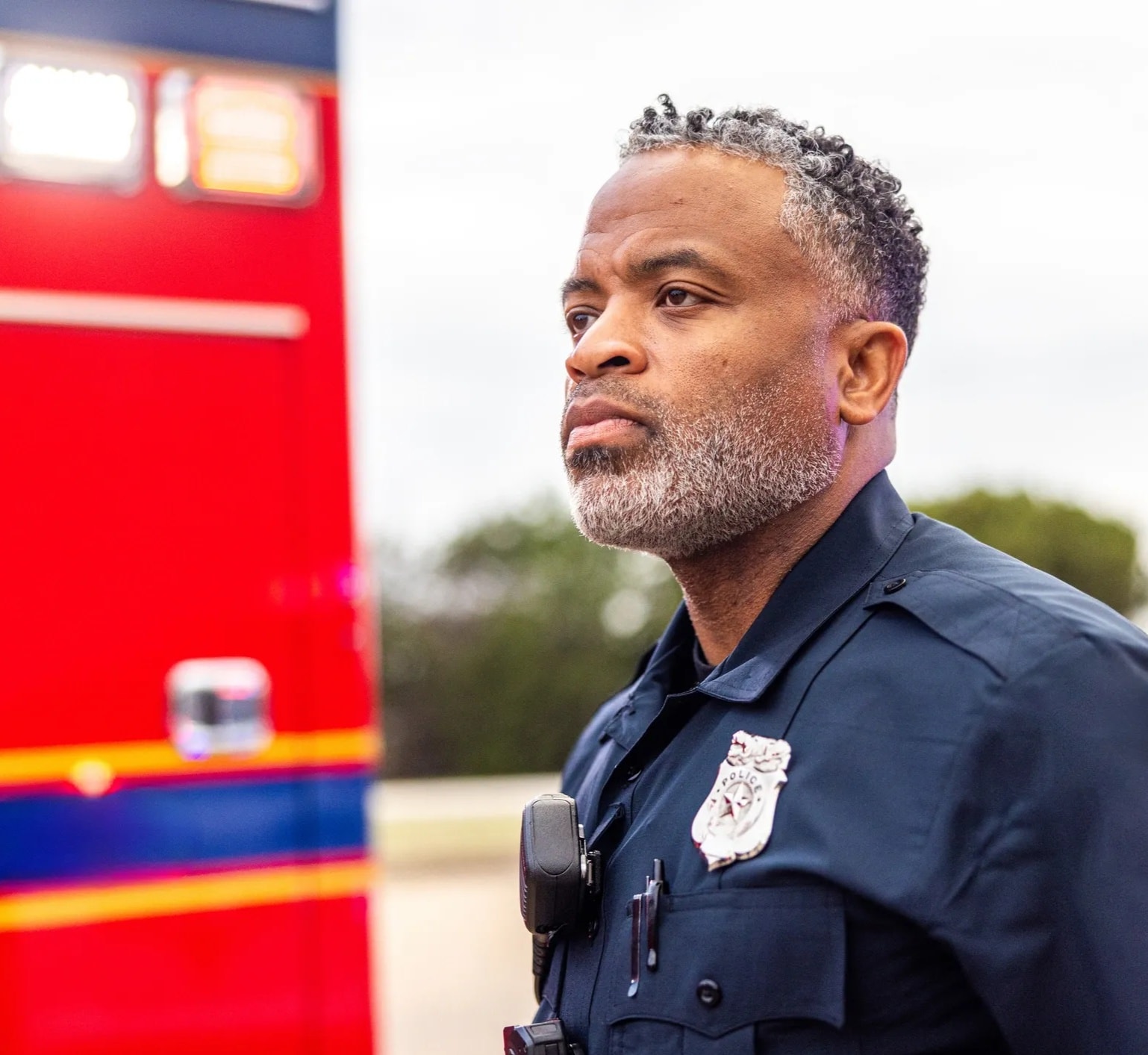
"Trauma is not your fault. Healing is your right. We're here to walk that path with you."
— The Sequoia Counseling Team
Recognition
Signs You May Be Carrying Unprocessed Trauma
Trauma can show up in many ways. You don't have to check every box to deserve support.
Flashbacks, nightmares, or intrusive memories
Feeling numb, disconnected, or "not yourself"
Hypervigilance — always waiting for something bad to happen
Difficulty trusting others or feeling safe in relationships
Avoiding people, places, or situations that trigger memories
Irritability, anger, or emotional outbursts
Chronic shame, guilt, or self-blame
Physical symptoms: tension, fatigue, chronic pain
What We Treat
Types of Trauma We Work With
Trauma takes many forms. You don't need a formal diagnosis — if something happened that changed how you feel, think, or move through the world, it matters.
Single-Incident Trauma
A car accident, assault, medical emergency, natural disaster, or any event that overwhelmed your capacity to cope. Even a single experience can leave lasting imprints on the nervous system.
Complex Trauma & C-PTSD
Repeated or prolonged trauma — such as childhood abuse, neglect, domestic violence, or ongoing relational harm. Complex trauma often affects identity, emotional regulation, and the ability to feel safe in relationships.
Childhood & Developmental Trauma
Early experiences of neglect, emotional unavailability, abuse, or instability shape how the nervous system develops. These wounds often show up in adulthood as anxiety, shame, relationship patterns, or a persistent sense of not being enough.
Relational & Attachment Trauma
Betrayal, abandonment, emotional abuse, or chronic misattunement in close relationships. This type of trauma can make it difficult to trust, feel safe with others, or maintain healthy connections.
Medical & Perinatal Trauma
Frightening medical experiences, difficult pregnancies, traumatic births, or NICU stays can leave lasting emotional wounds for both parents and children. These experiences are often minimized — but they are real and treatable.
Secondary & Vicarious Trauma
First responders, healthcare workers, therapists, and caregivers can develop trauma symptoms from repeated exposure to others' suffering. You deserve support too.
How We Help
Our Trauma Treatment Approaches
We go beyond talk therapy to work with your whole nervous system.
Brainspotting (BSP)
A powerful brain-body approach that locates and processes trauma stored deep in the subcortical brain — without requiring you to verbally recount painful experiences.
Accelerated Resolution Therapy (ART)
Uses rapid eye movements to help the brain reprocess traumatic memories, often producing significant relief in just a few sessions.
Trauma-Focused CBT
Cognitive Behavioral Therapy adapted specifically for trauma — helping you identify and shift the thought patterns that keep you stuck in survival mode.
Somatic & Body-Based Work
Trauma lives in the body. We incorporate somatic awareness to help you reconnect with physical sensations and release stored stress responses.
EFT / Tapping
Emotional Freedom Techniques combine gentle tapping on acupressure points with focused attention on distressing memories — helping to reduce the emotional charge of traumatic experiences.
Featured Approach
Brainspotting at Sequoia Counseling
Brainspotting (BSP) is one of the most powerful trauma-processing tools available today. By identifying specific eye positions that correlate with where trauma is held in the brain, BSP allows the nervous system to process and release what talk therapy alone often cannot reach. It works without requiring you to verbally recount painful memories — making it especially helpful for clients who feel stuck, overwhelmed, or have tried other approaches without full relief.
Several of our therapists are trained in Brainspotting and offer it both in person and via telehealth.
Learn more about Brainspotting
Starting Therapy
What to Expect in Trauma Therapy
Starting trauma therapy can feel daunting. Here's what the process actually looks like — so you can come in knowing what to expect.
Your first session is about safety
We start by getting to know you — your history, your goals, and what feels safe to explore. Nothing is required of you before you're ready. You set the pace, always.
Building your foundation
Before processing trauma directly, your therapist will help you build internal resources — grounding tools, coping strategies, and a felt sense of safety — so you have what you need when things get hard.
Processing at your pace
When you're ready, your therapist will guide you through evidence-based approaches to process traumatic memories and nervous system responses. This is never forced or rushed.
Integration and moving forward
Healing isn't just about reducing symptoms — it's about reclaiming your life. We work with you to integrate what you've processed and build the future you want.
Who We Work With
We work with adolescents, teens, and adults who are experiencing the effects of trauma — whether from a single event, ongoing stress, childhood experiences, or relational wounds. You do not need a formal PTSD diagnosis to benefit from trauma-informed therapy.
Our therapists are experienced with complex trauma, developmental trauma, grief, and the ways trauma intersects with anxiety, depression, and relationship patterns.
In-Person & Telehealth
We offer trauma therapy in person at our Fair Oaks office, serving the Greater Sacramento area — including Carmichael, Orangevale, Citrus Heights, Folsom, and Rancho Cordova.
We also provide secure, HIPAA-compliant telehealth for clients throughout California. Most major insurance plans are accepted, including United Healthcare, Blue Shield, Sutter Health, Carelon, and Optum.
Common Questions
Frequently Asked Questions
What are common signs that trauma may still be affecting me?
Common signs include flashbacks or intrusive memories, nightmares, emotional numbness, hypervigilance, difficulty trusting others, chronic anxiety or depression, and physical tension. You do not need to have experienced a single dramatic event — ongoing stress, relational wounds, and childhood experiences can all leave lasting effects.
What types of trauma therapy does Sequoia Counseling use?
Our therapists use Brainspotting, Accelerated Resolution Therapy (ART), Somatic Therapy, DBT, EFT/Tapping, and mindfulness-based methods. Treatment is individualized — your therapist will work with you to find the approach that fits your needs.
What is the difference between PTSD and complex trauma (C-PTSD)?
PTSD typically develops after a single traumatic event, while C-PTSD results from prolonged or repeated trauma — such as childhood abuse, neglect, or ongoing relational harm. C-PTSD often involves deeper difficulties with emotional regulation, self-perception, and relationships. Our therapists are experienced with both.
What happens in the first trauma therapy session?
Your first session is about getting to know you — not diving into painful memories. Your therapist will ask about your history, what brings you in, and what you hope to get from therapy. You set the pace. Nothing is required of you before you feel safe and ready.
Do you offer Brainspotting for trauma?
Yes. Several of our therapists are trained in Brainspotting, a brain-body approach that helps process trauma stored in the nervous system. It can be done in person or via telehealth and is often effective for clients who have not responded fully to talk therapy alone.
Do you provide trauma therapy for teens?
Yes. We work with adolescents and teens experiencing trauma and PTSD. Our therapists are experienced in building trust with young people and adapting trauma-informed approaches to be developmentally appropriate.
Can I receive trauma therapy by telehealth in California?
Yes. We offer HIPAA-compliant telehealth trauma therapy to clients throughout California. Research supports the effectiveness of telehealth for trauma treatment, and many clients find the comfort of their own environment supports the healing process.
Does Sequoia Counseling accept insurance for trauma therapy?
We accept most major insurance plans including United Healthcare, Blue Shield, Sutter Health, Carelon, and Optum. Contact us to verify your specific coverage before your first appointment.
How much does trauma therapy cost, and what will my insurance cover?
Your out-of-pocket cost depends on your specific plan. Most clients with in-network insurance pay a copay or coinsurance — typically between $20 and $60 per session after their deductible is met. Our care coordinator will verify your benefits before your first session so you know exactly what to expect. See our fees and insurance page for full details.
What should I bring to my first trauma therapy session?
Just yourself. All intake paperwork and insurance information is collected through our client portal, SimplePractice, before your first appointment — there is nothing to bring or prepare. Your therapist will guide the conversation, and nothing is required of you before you feel safe and ready.
How do I use my insurance for trauma therapy at Sequoia Counseling?
When you reach out, our care coordinator verifies your insurance benefits and explains your coverage before your first session. We bill your insurer directly. If you have a deductible, you pay the full session rate until it is met, then your copay or coinsurance applies. We accept United Healthcare, Blue Shield, Sutter Health Plus, Carelon, Optum, and Aetna.
Ready to Begin Your Healing Journey?
Reach out today to schedule your first appointment. We're here to support you every step of the way.
Related Services